
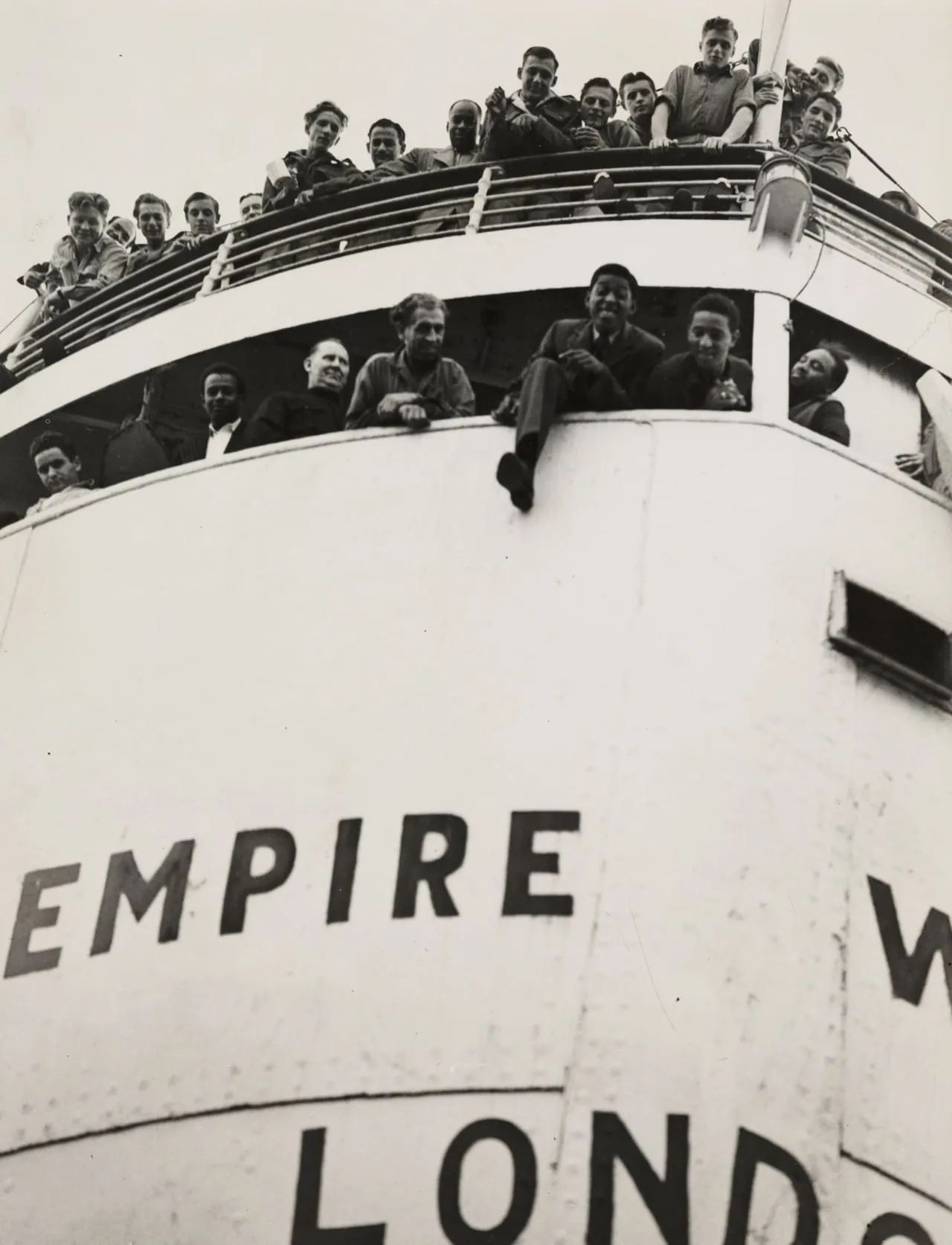
The Pardner Pot: Windrush, Property and the Meaning of Home Security
“No Blacks. No Dogs. No Irish.”
When I hear those words, I think about what a home meant to my grandfather’s and my parents’ generations. I also think about the conversations I have with clients today, especially when someone wants to borrow against a family home to invest in another property.
I look at the numbers. I need to. But I also want to understand what is behind them: who depends on that home, what the family is trying to build, and what could be put at risk if the investment does not go to plan.
That way of looking at property did not begin with my career. It began with my family.
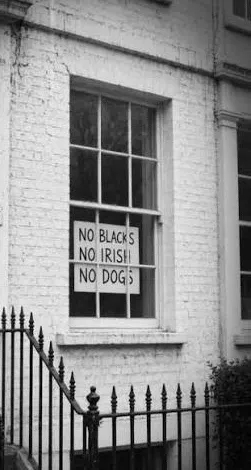
An illustration of the phrase, not an archival photograph. Historians disagree about whether signs with this exact wording were widely displayed, and the origin of the best-known image of one is uncertain.
A home was not guaranteed
My grandfather came to London from Jamaica. The family story remembers him sharing one room and living off twelve eggs a week and good old English tea. He worked, saved and sent for his children. He had seven, and he did not believe in benefits for them: no free uniform, no free school dinners. His motto was that his children were his responsibility.
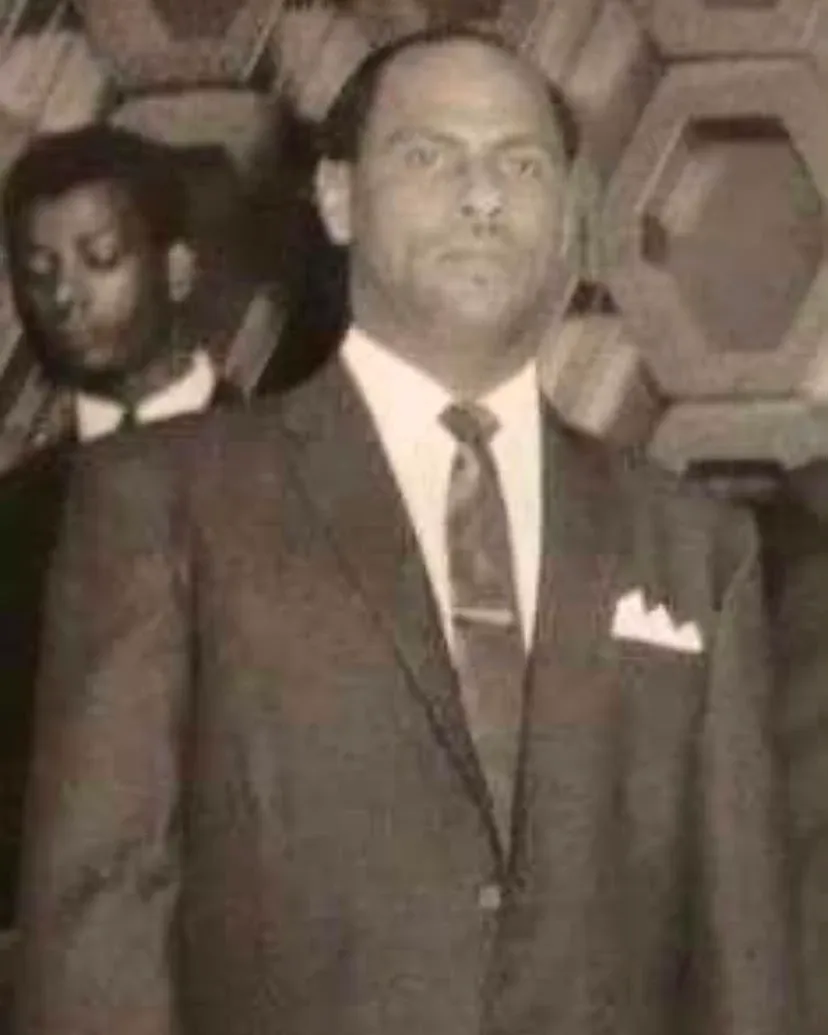
He worked at the Royal Albert Hall. In 1969, 135 fibreglass diffusers, nicknamed mushrooms, were hung from its ceiling to tame the hall’s famous echo, and he was part of that work. At a time when many West Indian and Caribbean families were being refused rooms, he was helping to fix the sound of one of London’s grandest halls.
His experience was part of a wider history. People from the Caribbean, often called West Indians at the time, came to Britain as Commonwealth citizens to work and help rebuild after the Second World War, yet finding somewhere decent to live could be difficult. People used different words for themselves and for each other: West Indian, Caribbean, Commonwealth citizen. Many came from mixed and diverse backgrounds, but shared a Caribbean heritage. Historical research records Black and Asian people being refused accommodation and restricted to a narrower, often poorer part of the housing market. Parliament extended race-relations law to cover housing in 1968. That context matters, while every family’s experience remains its own.
I use the opening phrase as a remembered expression, and I should be honest about it. Historians and museums disagree about whether that exact three-part sign was ever widely displayed, and the best-known image of it has an uncertain origin. The refusals themselves are well documented.
Some passengers who arrived on the Empire Windrush in June 1948 had no accommodation arranged. Records show that 236 were temporarily housed that first night in the deep-level shelter beneath Clapham South station. Among the passengers were former RAF servicemen. They had served Britain; now they were beginning civilian life here and looking for work and somewhere to live.
Caribbean service personnel were not always given the recognition their contribution deserved. The first memorial to African and Caribbean service personnel was unveiled in Windrush Square, Brixton, on 22 June 2017. I include that history because this article is about honouring a legacy: people who served, worked and built lives here, even when the public record did not always give their contribution its proper place.
The pardner system: a route to a lump sum
A key part of my family’s property story is pardner, sometimes spelled partner.
A group agreed to contribute a fixed amount at regular intervals. Each time, one member received the pooled money, the “hand”, with the order agreed in advance. A trusted person often organised the contributions. Everyone kept paying in, and everyone had a turn.
That may sound simple. It depended on serious commitment. People had to keep their word, keep track of the money and understand that one person missing their contribution could affect everyone else. Trust and accountability were the system’s strength, and they were also what it relied on.
For families who could not easily access ordinary banking and finance, pardner offered a way to save collectively and receive a larger sum at one time. Some used that money towards a house deposit. Historical research describes Caribbean pardner schemes, often administered by women, helping families build deposits through contributions from relatives and friends. The Bank of England Museum also documents the Pardner Hand as a community savings practice that helped people facing barriers to basic financial services. The same research records that by 1971, half of Caribbean heads of household in Britain were owner-occupiers, the same share as the whole population.
That is what I want people to understand: pardner was more than money going into a pot. It was a way of organising for ownership. Families pooled what they had, held one another to their commitments and created a route forward when the usual route was harder to reach.
My family used pardner. My grandfather built a company. My mother kept the accounts. Other relatives brought practical skills and trades.
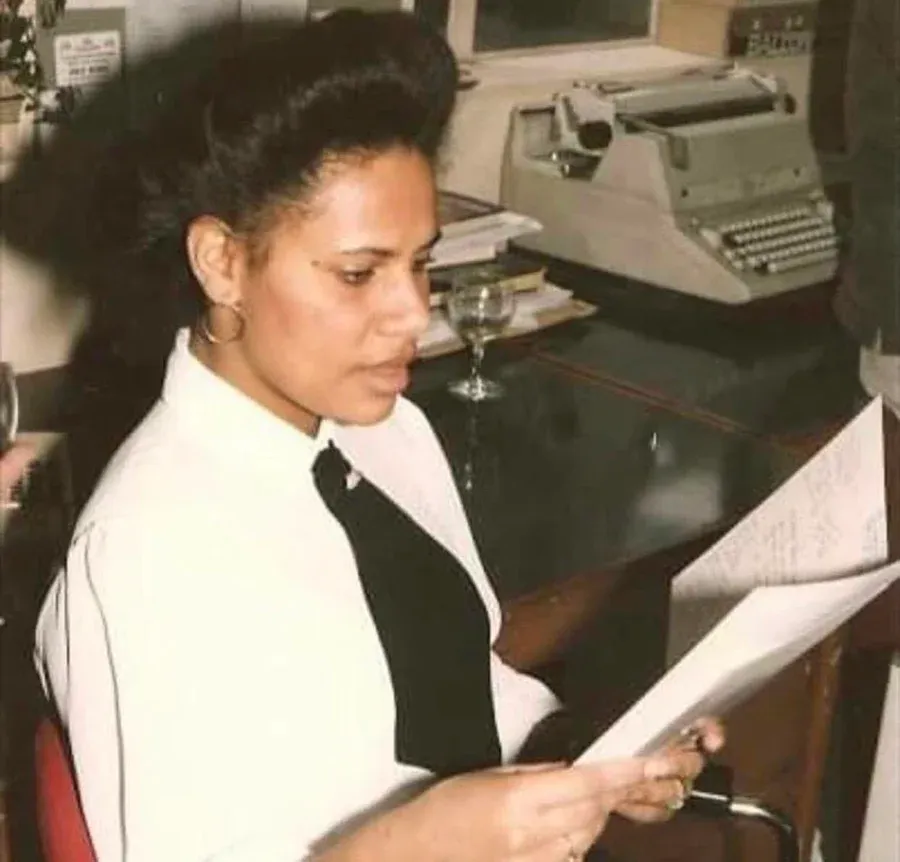 My mother, father, uncles and aunties showed me what that effort made possible, as homeowners and landlords.
The number is only one part of the decision
I work with property numbers every day: purchase price, rent, financing, costs, likely income and possible resale value. They all matter. But a spreadsheet cannot tell you who depends on the family home or what losing its security would mean to them.
When someone says, “There’s equity in the house. We can release some and invest it,” I slow the conversation down. Equity is not spare cash sitting in the property. Borrowing against a home adds debt secured against it. If repayments become unaffordable, the home may be at risk. MoneyHelper, the UK government-backed money guidance service, warns that an additional loan tied to your property is one you could lose the property over if you cannot keep up the payments.
I want to know what the repayments look like, how long the investment may take to produce income, and whether the family can manage if it produces no income for a while. Have vacancy, maintenance, service charges, delays and selling costs been allowed for? What happens if the property is worth less than expected at the point the family needs to sell? Who owns the home, who lives there, and does everyone affected understand what is being risked?
Those questions do not make an investment a bad idea. They make the decision clearer. A projected return is only one possible outcome. The family still has to carry the borrowing if the investment takes longer or performs differently than expected.
Why people want something they can see and use
I understand why families want some of their wealth in physical assets. A home can shelter someone. A rented property may provide income. Land can tie a family to a place and give the next generation something to inherit. When wealth has been built through years of work and saving, there is comfort in being able to point to something tangible.
But tangible does not mean risk-free. When shares fall, the change is visible on a screen straight away. Property prices can fall too; the change may show up more slowly because homes are not priced and traded every second. A slower-moving valuation does not mean the loss is smaller. If a property falls below the mortgage secured on it, the owner can end up in negative equity, which the Bank of England defines as the market value of a house being below the outstanding mortgage secured on it.
The building may still have a use. Someone might live in it, or a tenant might rent it, if the home is fit to occupy and there is demand. But a tenant can leave, fall behind on rent or be hard to replace. MoneyHelper warns that buy-to-let owners will almost certainly face empty periods, and need a plan to keep up their mortgage payments through them. If the property is empty, the mortgage, insurance and repairs do not pause. A price fall does not automatically make a home worthless, but it can wipe out the owner’s equity, especially when there is a large loan against it.
That is why I look at the whole picture when a family considers releasing equity from its home. What is the borrowing secured against? Who needs that home to stay secure? Can the family carry the costs if the rent stops or the market falls? The appeal of property is real: it can be used, lived in and passed on. The responsibility is real too.
I know that housing security can change. My father owned a home. After my parents separated, eviction and instability became part of my own experience. I have seen property as an owner, a tenant and someone who has been evicted. That is why I ask what the home needs to protect, as well as what the next investment might earn.
Land, family and what gets passed on
When someone passes away, the importance of land and property often becomes clear very quickly. A home can hold family memories, connect generations and give people somewhere to return to. It can also bring difficult questions: who owns it, who depends on it, whether the family can afford to keep it, and what the person who built that legacy wanted for it.
Legacy is more than leaving property behind. It is leaving something the next generation can understand, protect and make use of. A title deed may record ownership; it cannot by itself make sure a family understands the responsibilities, debt or intentions attached to a home.
The pardner system shows what families can build when they organise and save together. My own experience has taught me that ownership does not remove every risk. Both lessons shape the way I work. I look at the numbers because they matter. I also ask what the property means to the people connected to it, what is being put at risk, and what happens if the plan changes.
Legacy is not only what you leave behind. It is what your family is able to keep, understand and carry forward.
For Black History Month, I’m sharing this to honour the people who came, served, worked, saved and built families here. Their legacy lives in the homes and businesses they created, and in the ways they supported one another to reach ownership. That is why property has never felt like just business to me.
If you’re considering buying or investing in Dubai, you can read my guide to buying costs, explore UAE property explained, or book a call.
This is a personal account based on my family’s recollections. It does not suggest that every Windrush family had the same experience. The discussion of borrowing is general information about the UK, not mortgage or investment advice, and I am not a UK mortgage adviser.
Frequently asked questions
What is a pardner?
A pardner, or pardner hand, is a community savings scheme brought to Britain by Caribbean families. Members pay in regularly and each takes the whole pot in turn, which gave people without easy access to banks a lump sum, sometimes used towards a house deposit.
Where did Windrush passengers stay when they arrived in 1948?
Some passengers on the Empire Windrush in June 1948 had no accommodation arranged. Records show that 236 were temporarily housed on the first night in the deep-level shelter beneath Clapham South station.
Why did Caribbean families in Britain find it hard to buy homes?
Many faced discrimination when renting rooms and had limited access to ordinary banking and finance. Community saving schemes such as pardner helped some families raise deposits and buy homes.
Sources
- The National Archives: Cummings address to Windrush passengers (temporary accommodation at the Clapham South deep shelter)
- Designing Buildings: Royal Albert Hall (the 1969 acoustic diffusers, known as mushrooms)
- Black Cultural Archives: the Windrush generation (Google Arts & Culture)
- The National Archives: the Empire Windrush passenger list
- Bank of England Museum: Pardner Hand, a Caribbean answer to British banking exclusion
- Christopher Hilliard, Housing and the Peripheralization of Race Politics in Britain, 1948 to 1977, Past & Present 272 (2026)
- UK Parliament: the 1968 Race Relations Act
- V&A: “Blacks, dogs and Irish”, the phrase and the uncertain image
- GOV.UK: first memorial to African and Caribbean service personnel unveiled in Brixton
- MoneyHelper: increasing your mortgage, getting a further advance
- Bank of England Quarterly Bulletin: the economics and estimation of negative equity
- MoneyHelper: buy-to-let mortgages explained (empty periods and keeping up payments)
- MoneyHelper: second charge or second mortgages
Considering an investment in Dubai?
Send me your budget, timeframe and objective and I'll give you my view on where I'd start.