
A Drone-Taxi Vertiport as a Building Amenity: Inside Al Reem Island's Joud Residence
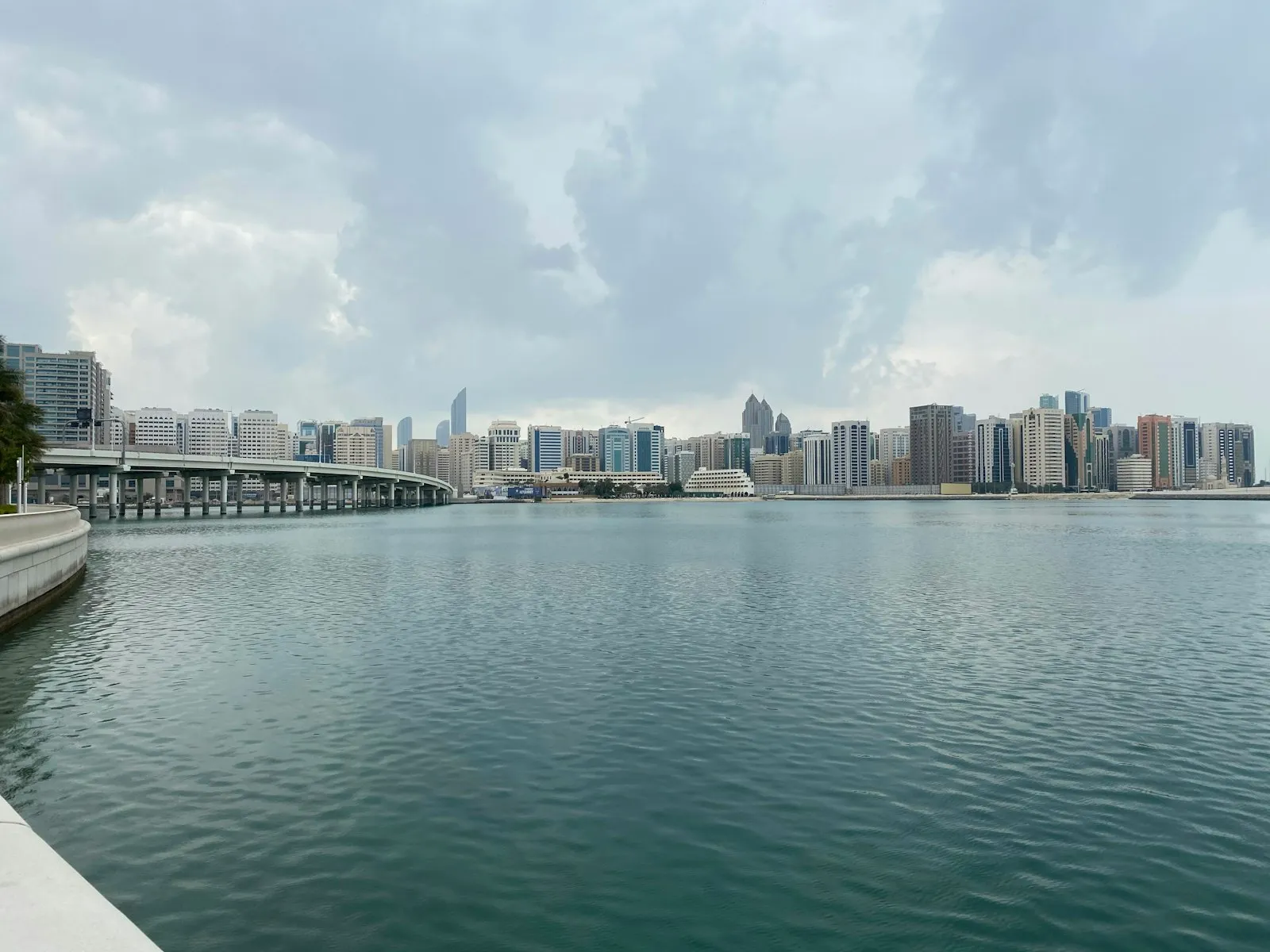
Flying taxis in the UAE have mostly been a headline about infrastructure announcements so far, vertiport networks, airport sites, regulatory approvals. Joud Residence on Al Reem Island is one of the first times it’s shown up as a building’s own amenity, not a citywide announcement.
What’s actually being built
Joud Residence is a G+48-storey tower by One Development, 289 units across 1 to 4-bedroom apartments, with handover expected June 2029. The project is marketed as AI-integrated throughout, and alongside the more familiar amenity list, infinity pool, wellness spa, sports courts, it includes a planned urban drone-taxi vertiport and drone delivery system as part of the building’s own design.
Worth being precise about what this is: it’s a private, building-level vertiport feature specific to this development, not part of Abu Dhabi’s official public air-taxi network. That’s a genuinely separate initiative, the Abu Dhabi Investment Office, GCAA, Abu Dhabi Mobility and Abu Dhabi Airports have already launched a vertiport network with more than 10 planned sites, starting with Zayed International Airport and Al Bateen Executive Airport. Joud Residence isn’t a stop on that network, it’s a developer building the same kind of infrastructure directly into a residential tower, betting that air-taxi access becomes a genuine resident amenity within the building’s own lifetime.
Why this matters beyond the novelty
Whether or not drone taxis are a mainstream way to get around Abu Dhabi by 2029, a developer designing a tower around that possibility says something about how seriously air-mobility infrastructure is being taken at the planning stage, not just the announcement stage. It’s also a specific, checkable claim rather than a vague “future-ready” marketing line, which is worth noting given how much off-plan marketing leans on words like that without anything concrete behind them.
What to actually weigh if you’re looking at this project
A vertiport amenity is a genuine differentiator, but it’s also unproven: there’s no operating air-taxi service in Abu Dhabi yet for it to plug into, and the government’s own network is still in its early phased rollout. Treat it as a real, interesting feature of the building’s design, not as a reason on its own to commit capital. The same questions apply here as anywhere else: what the unit actually costs, what it would rent for, what the building’s core amenities and location deliver regardless of whether air-taxis ever land on that pad.
Project details based on developer marketing materials and the source cited above. Amenity plans, particularly for infrastructure tied to a still-developing regulatory framework, can change before completion. Confirm current specifications directly with the developer.
Frequently asked questions
What is Joud Residence on Al Reem Island?
A G+48 tower by One Development with 289 one to four-bedroom apartments and handover expected in June 2029. It is marketed as AI-integrated and includes a planned building-level drone-taxi vertiport and drone delivery system.
Is the Joud Residence vertiport part of Abu Dhabi's air-taxi network?
No. It is a private, building-level feature. Abu Dhabi's official vertiport network, with more than 10 planned sites starting at Zayed International and Al Bateen Executive airports, is a separate government initiative.
Should a vertiport be a reason to buy an apartment?
On its own, no. There is no operating air-taxi service in Abu Dhabi yet for it to connect to. Judge the unit on price, likely rent, location and core amenities, and treat the vertiport as an unproven extra.
Sources
Considering an investment in Dubai?
Send me your budget, timeframe and objective and I'll give you my view on where I'd start.